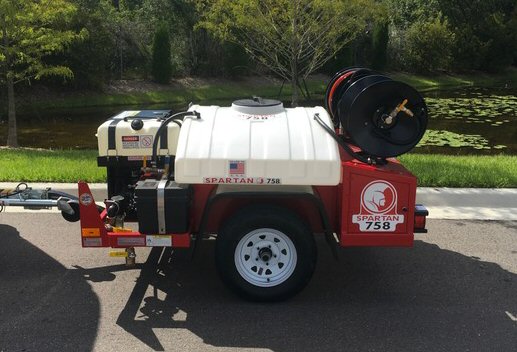
Hydro jetting is a professional drain and sewer cleaning method that uses pressurized water to clear stubborn buildup inside pipes. For homeowners and property managers, it can be a powerful option when ordinary drain cleaning methods only provide short-term relief. The right choice depends on the condition of the plumbing, the type of blockage, and whether the system has been properly inspected first.
What is hydro jetting, and how does it work?
Hydro jetting is a high-pressure cleaning process that sends a specialized hose and nozzle into a drain or sewer line, then releases water in controlled streams to scour the inside of the pipe. Instead of simply punching a hole through a clog, the water helps break apart debris and wash grease, roots, sludge, and mineral buildup down the line.
A trained plumber selects the right nozzle and pressure setting for the pipe and blockage. Forward-facing jets help cut into obstructions, while rear-facing jets propel the hose and clean the pipe walls. This is why hydro jetting is often used for sewer line cleaning when clogs keep returning after basic snaking.

When should hydro jetting be used?
Hydro jetting is best used when a plumbing line has heavy buildup, repeated clogs, or residue that needs more than a quick opening. It is especially useful for grease pipeline clogs, tree roots in sewer lines, and scale deposits that narrow the pipe interior over time.
Common situations include:
- Recurring slow drains: If the same drain or sewer line keeps slowing down, buildup may be coating the pipe walls.
- Grease-heavy kitchen lines: Grease can harden and trap food particles, creating a sticky blockage that snaking may not remove completely.
- Tree-root intrusion: Water jets can cut through smaller roots and flush the debris away, though damaged pipes may still need repair.
- Scale and mineral deposits: Hard-water deposits and other buildup can reduce flow and create rough surfaces that catch debris.
- Odors or gurgling drains: These symptoms can point to trapped waste, partial blockages, or poor flow in the line.
- Commercial maintenance: Restaurants, multi-unit properties, and busy facilities may use hydro jetting as preventive plumbing maintenance.
The key is diagnosis. Hydro jetting works well when the pipe can handle the pressure and the blockage type is appropriate for water-based cleaning.
Hydro jetting pros and cons
Like any plumbing service, hydro jetting has strengths and limitations. Understanding the hydro jetting pros and cons helps you avoid both under-treating a serious clog and overusing a method your pipes may not need.
Pros
- Thorough pipe cleaning: Hydro jetting cleans more of the pipe interior than many other methods, removing residue that can cause future clogs.
- Strong performance on stubborn buildup: It is effective against grease, sludge, scale, and some root intrusion.
- Chemical-free process: Since it uses water rather than harsh drain chemicals, it avoids adding corrosive products to the plumbing system.
- Useful for preventive maintenance: Regular cleaning can help high-use lines stay clearer for longer.
- Good for larger lines and sewer systems: Professional equipment can reach areas that simple household tools cannot.
Cons
- Not right for every pipe: Old, cracked, fragile, or badly corroded pipes may be damaged by high-pressure cleaning.
- Requires professional judgment: Improper pressure, the wrong nozzle, or poor technique can harm pipes or fail to clear the clog.
- Higher upfront cost: Hydro jetting generally costs more than a simple drain snake visit.
- May reveal bigger problems: If roots entered through a cracked line, cleaning may clear the blockage but not fix the pipe damage.
- Not a DIY-friendly solution: The equipment can be dangerous, and incorrect use can create plumbing and safety risks.
Preparation and inspection come first
A responsible hydro jetting service should begin with assessment, not pressure. The plumber will usually ask about symptoms, past clogs, the age of the plumbing, and whether the issue affects one drain or the whole property. This helps determine whether the problem is localized or likely in the main sewer line.
Video camera inspection is often the most important preparation step. A small plumbing camera can show the location and nature of the blockage, as well as cracks, offsets, collapsed sections, heavy corrosion, or root intrusion. If the camera shows fragile pipe conditions, hydro jetting may need to be avoided or adjusted.
Preparation may also include locating cleanouts, protecting nearby fixtures, confirming drainage flow, and choosing the proper pressure and nozzle. These steps are not just technical details; they are what make hydro jetting safer and more effective.
Hydro jetting compared with other drain cleaning methods
Hydro jetting is one tool among several. The best choice depends on whether you need quick access, deep cleaning, or a safer temporary fix until repairs can be made.
| Method | Best for | Advantages | Drawbacks |
|---|---|---|---|
| Hydro jetting | Heavy grease, sludge, roots, scale, recurring sewer clogs | Cleans pipe walls, chemical-free, long-lasting results | Higher cost, requires inspection, risky for fragile pipes |
| Snaking | Simple clogs, hair, small obstructions, first-time blockages | Fast, often lower cost, widely available | May only poke through the clog, can leave residue behind |
| Chemical drain cleaners | Minor clogs in limited situations | Easy to buy, no appointment needed | Can damage pipes, may be unsafe to handle, often poor for severe clogs |
Snaking can be the right choice when a clog is simple and the pipe is otherwise flowing well. However, it may not remove the sticky layer of grease or sludge along the pipe walls. That residue can quickly catch new debris and cause another blockage.
Chemical cleaners are usually the least preferred option for serious plumbing problems. They may produce heat, fumes, or corrosive reactions, and they can be especially risky in older plumbing or standing water. If chemicals fail, the next plumber may also face added safety concerns when opening the line.
Cost factors that influence hydro jetting prices
The cost of hydro jetting varies because no two plumbing systems are exactly alike. A short, accessible kitchen line with grease buildup is different from a long sewer line with roots, scale, and limited access.
Important cost factors include:
- Pipe length: Longer lines take more time, water, and equipment handling.
- Clog complexity: Grease, roots, compacted sludge, and scale deposits may require more passes or specialized nozzles.
- Location of the blockage: A clog near an easy cleanout is usually simpler to reach than one under a slab, far from access points, or outside near landscaping.
- Inspection needs: Video camera inspection can add cost, but it helps prevent mistakes and unnecessary work.
- Property type: Commercial kitchens, apartment buildings, and larger facilities may require more planning than a single residential drain.
- Emergency timing: After-hours or urgent service may be priced differently than scheduled maintenance.
While hydro jetting may cost more upfront than basic snaking, it can be cost-effective when it reduces repeat clogs and return service calls. The practical question is not only “What is cheapest today?” but “What will keep this line flowing safely?”

Safety and environmental considerations
Hydro jetting should be handled by trained professionals because the water pressure can injure people and damage property if misused. A technician should wear appropriate protective gear, secure the work area, use the correct equipment, and never assume maximum pressure is best. Improper pressure can crack weak pipes, worsen existing damage, or push water where it does not belong.
The environmental advantage is that hydro jetting uses water instead of chemical drain cleaners. That makes it appealing for property owners who want to avoid harsh products in their plumbing. The tradeoff is water use, so efficient equipment, accurate diagnosis, and targeted cleaning matter.
Pipe condition remains the biggest safety concern. Old cast iron, brittle clay, thin or corroded metal, and already cracked lines should be evaluated carefully. In some cases, repair or replacement may be safer than aggressive cleaning.
Practical plumbing maintenance tips
Good maintenance reduces the need for emergency drain cleaning and helps hydro jetting last longer when it is used.
- Keep grease out of drains. Wipe pans before washing and dispose of fats, oils, and grease in the trash.
- Use drain screens. Catch hair, food scraps, and debris before they enter the plumbing system.
- Flush lines thoughtfully. Avoid treating drains like trash chutes; even “flushable” products can contribute to blockages.
- Watch for early warning signs. Slow drains, bubbling toilets, sewer odors, or backups should be addressed before they become emergencies.
- Schedule inspections for recurring problems. If the same line clogs repeatedly, ask about a camera inspection instead of repeating quick fixes.
- Plan maintenance for high-use properties. Restaurants, rental properties, and commercial buildings may benefit from routine sewer line cleaning based on use and history.
- Protect outdoor sewer lines. Be mindful of tree placement and root growth near underground plumbing.
These plumbing maintenance tips do not replace professional service, but they can reduce buildup and help you make better decisions when problems appear.
Frequently asked questions
Can hydro jetting damage pipes? Yes, it can if the pipes are old, fragile, cracked, or cleaned with improper pressure. That is why inspection and professional operation are important.
Is hydro jetting better than snaking? It depends on the clog. Snaking can clear a simple obstruction, while hydro jetting is better for cleaning buildup along the pipe walls and handling recurring clogs.
Does hydro jetting remove tree roots permanently? It can cut and flush roots from the line, but it does not repair the opening where roots entered. If the pipe is cracked or separated, roots may return until the damaged section is fixed.
How often should hydro jetting be done? There is no one-size-fits-all schedule. A typical home may only need it when recurring symptoms appear, while restaurants or multi-unit properties may need planned maintenance based on usage.
Is hydro jetting safe for kitchen drains? It can be very effective for grease buildup when the pipe is in suitable condition. A professional should confirm the line can handle the process.
The takeaway
The biggest hydro jetting benefits are thorough cleaning, strong performance on stubborn buildup, and a chemical-free approach to drain care. The drawbacks are equally important: it costs more than basic methods, is not safe for every pipe, and should not be treated as a DIY shortcut.
For recurring clogs, grease-heavy lines, tree roots, or scale deposits, hydro jetting can be one of the most effective drain cleaning methods available. Start with inspection, choose a qualified professional, and use preventive maintenance to keep your plumbing system healthier between cleanings.